
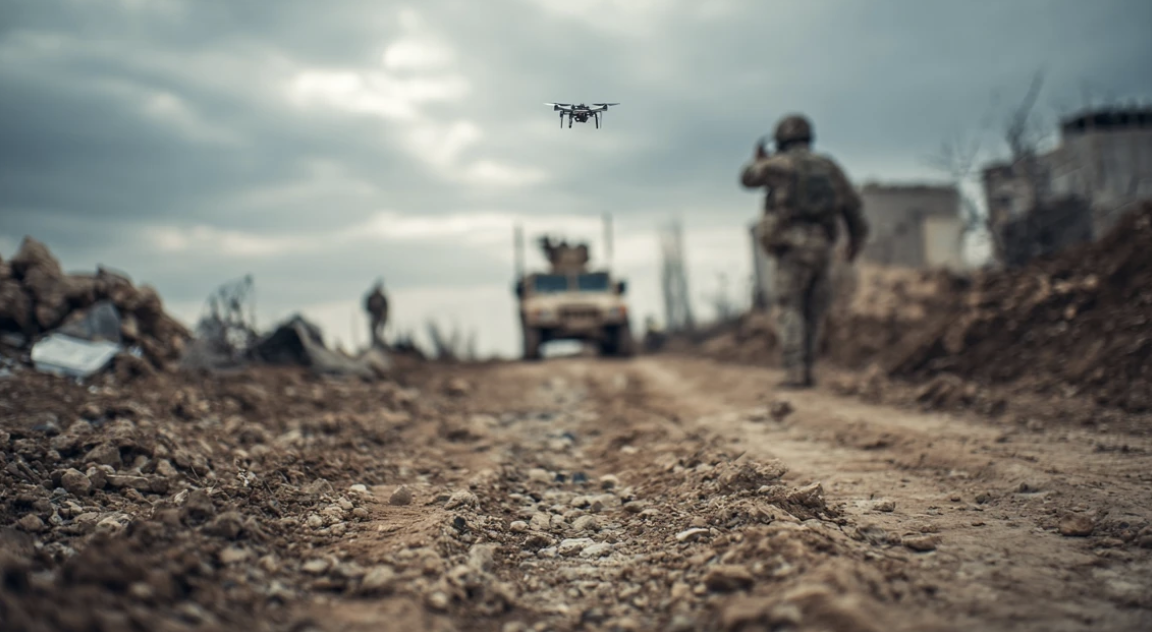
The Future of Counter-UAS
Unmanned systems are reshaping warfare, and counter-UAS technology is critical. Learn how advanced interception and detection systems protect airspace from evolving threats.
The proliferation of unmanned aerial systems has created new vulnerabilities in modern defense. Counter-UAS (C-UAS) technology represents the critical next frontier in airspace defense, combining detection, classification, and neutralization capabilities.
The Threat Landscape Commercial and military drones are increasingly weaponized, creating asymmetric threats that traditional air defense systems were not designed to address. The speed, agility, and low cost of modern UAS present unique challenges:
- Small radar cross-section makes detection difficult
- Swarm attacks can overwhelm traditional defense systems
- Drone technology is proliferating globally, democratizing aerial threats
- Long dwell times enable persistent surveillance and strike capability
Advanced Counter-UAS Solutions Modern C-UAS platforms combine:
Detection: Multi-spectrum sensors (radar, optical, RF) for rapid threat identification Classification: AI-powered systems to distinguish between civilian and hostile platforms Interception: High-speed interceptor platforms capable of neutralizing threats with precision
Integration and Command Effective counter-UAS requires seamless integration with existing air defense architecture, enabling rapid decision-making and coordinated responses across multiple threat vectors.
The organizations that master counter-UAS technology will control the next generation of airspace security.